How to Store Kimchi Without a Fridge: Ancient Korean Secrets
June 7, 2026 · How to store kimchi without fridge

Related Recipe
Lee Yeon-bok's Super Simple Kimchi Fried Rice
이연복의 초간단 김치볶음밥

Related Recipe
Thick Kimchi Jjigae (Low Broth Kimchi Stew)
국물 없는 김치찌개
Related Recipe
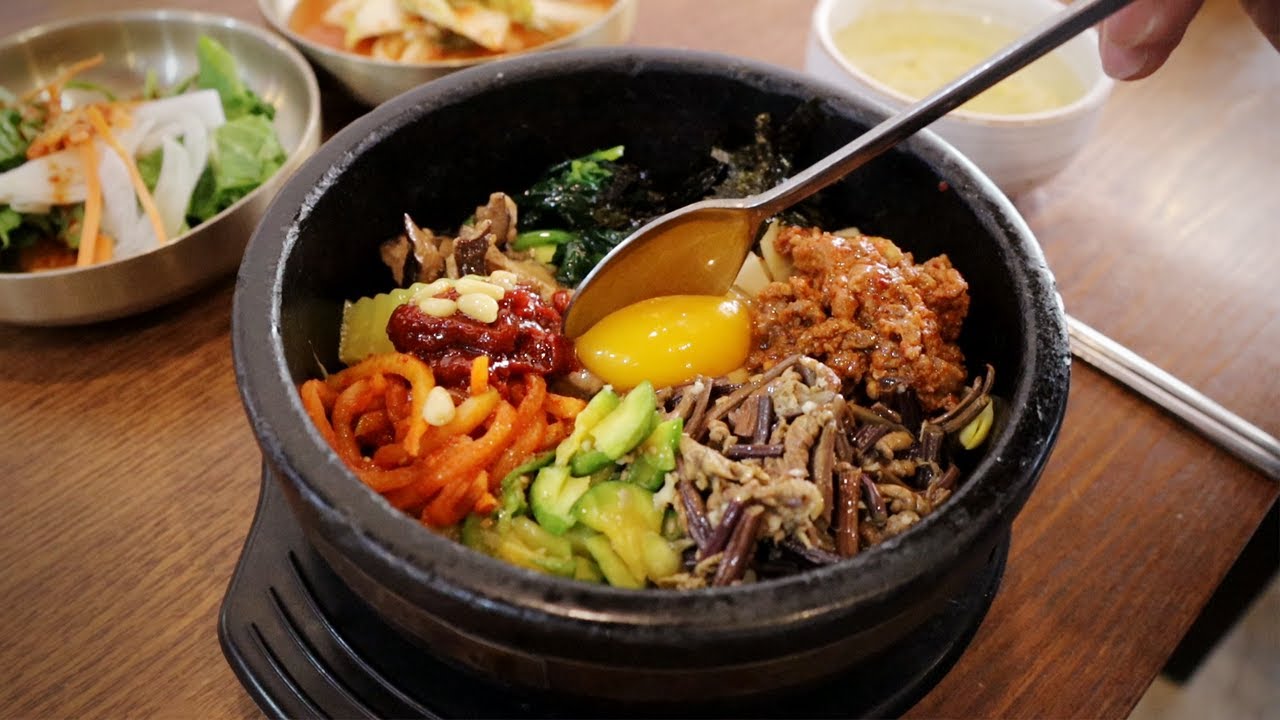
Stone Pot Bibimbap
돌솥 비빔밥

Related Recipe
Ryu Soo-young's Secret Kimchi Fried Rice
류수영의 어남선생 김치볶음밥
Related Recipe
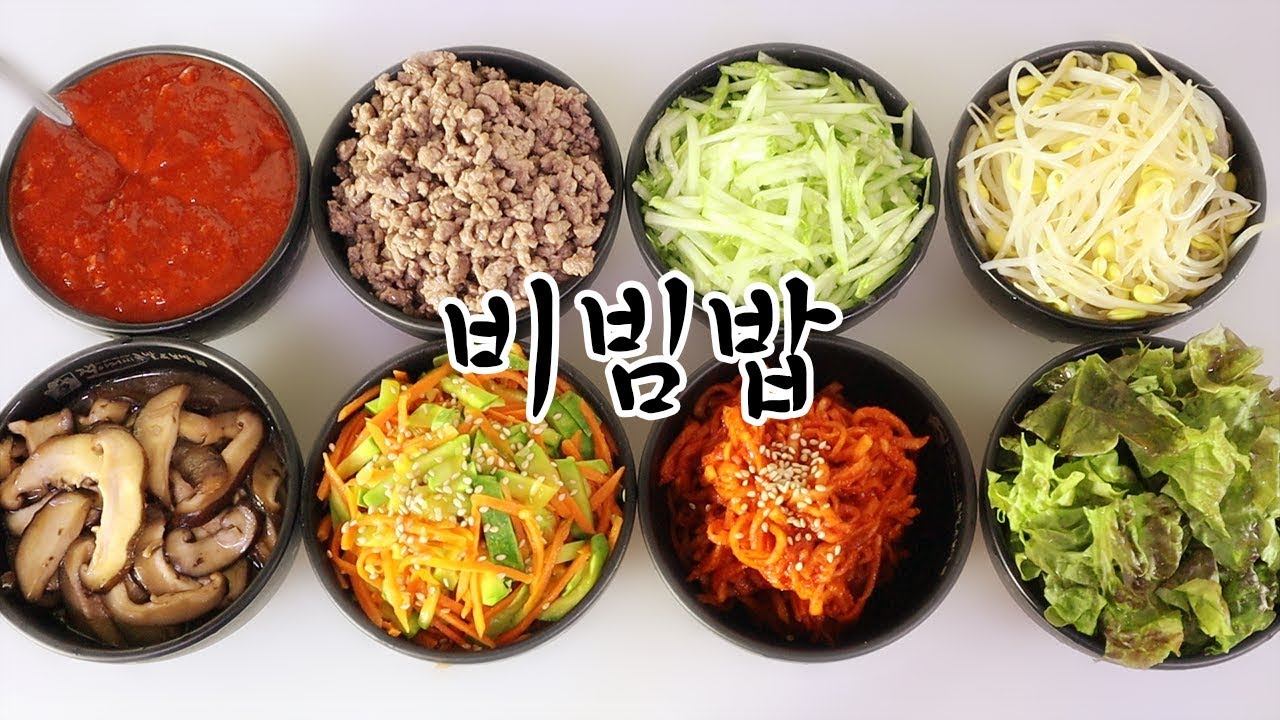
Easy Bibimbap
비빔밥
Kimchi is famous for its long shelf life, but most modern guides assume you have a dedicated "Kimchi Refrigerator." But what if you are traveling, living off-grid, or simply ran out of fridge space?
Before modern appliances, Koreans kept kimchi fresh for months using natural preservation methods. By understanding the science of fermentation and the wisdom of the past, you can successfully store kimchi without a refrigerator.
The Science of Traditional Fermentation
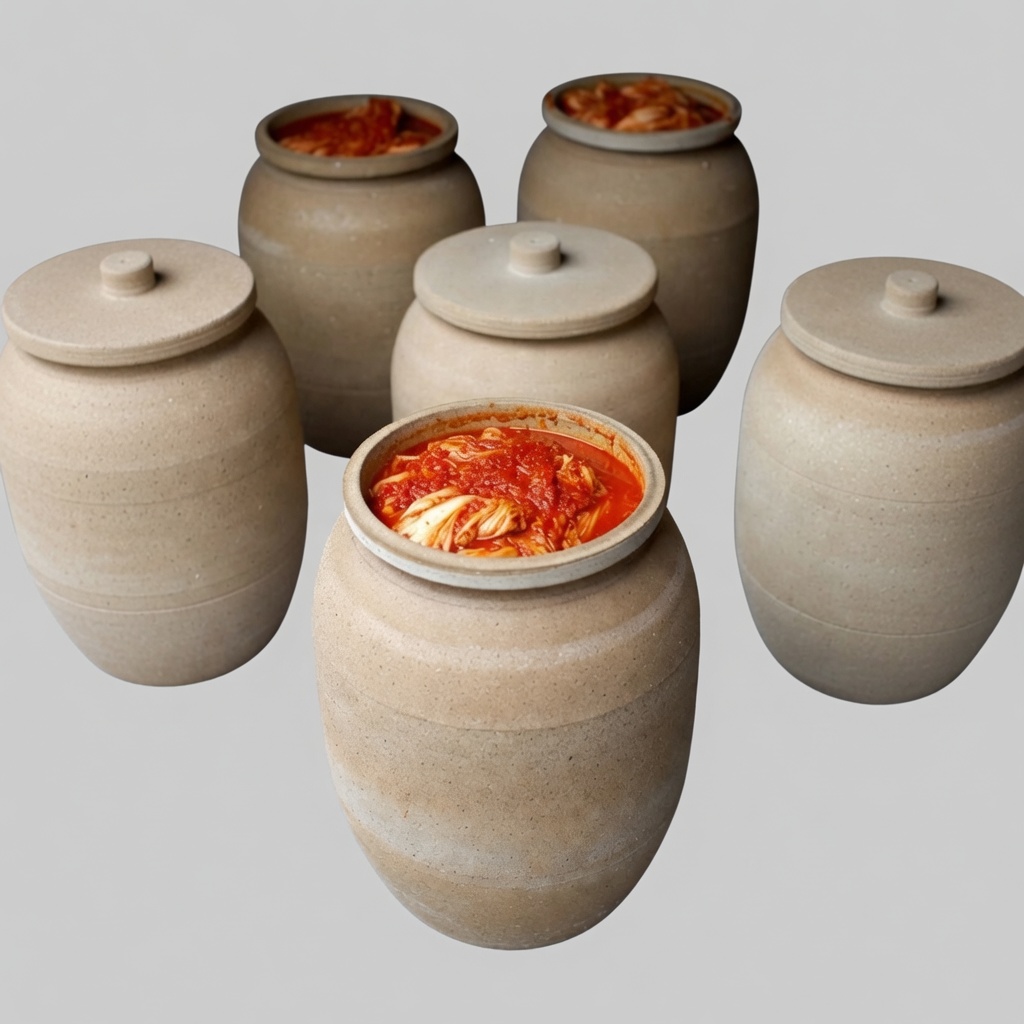
Kimchi is a product of lactic acid fermentation. This process was perfected long before electricity. Traditionally, Koreans practiced Kimjang, the winter preparation where massive amounts of kimchi were buried underground in earthenware jars called Onggi. The earth acted as a natural insulator, keeping the temperature stable even as the seasons changed.
Practical Tips for Non-Refrigerated Storage
To store kimchi at room temperature or in a cellar, you must manage three factors: temperature, air exposure, and salt content.
1. Find a "Cool and Constant" Spot
The biggest enemy of kimchi is temperature fluctuation. If you don't have a fridge, you need a location that mimics a cellar.
- Basements or Root Cellars: These are ideal because they remain naturally cool and dark.
- Dark Cupboards: Choose a spot near the floor and away from the oven, dishwasher, or direct sunlight.
- The Burial Method: If you have a backyard, burying a food-safe jar in the earth is the most authentic way to maintain a steady, cool temperature.
2. The "Submersion" Rule
This is the most important tip: Keep the vegetables submerged. Lactic acid fermentation is anaerobic, meaning it happens without oxygen.
- Use a fermentation weight or a clean, heavy stone to press the cabbage down.
- Ensure the brine covers everything. If the cabbage is exposed to air, it will soften and develop mold.
3. Choose the Right Container
While glass jars are common, they don't "breathe" like traditional Onggi. If you are using glass jars:
- Burp the jar: Gas builds up during fermentation. Open the lid slightly once a day to release carbon dioxide pressure.
- Airtight Seal: Once the kimchi has reached your desired fermentation level, keep the lid tight to prevent aerobic bacteria from entering.
4. Adjust Your Recipe for Warmth
If you know you won't have refrigeration, you should adjust your ingredients during the prep phase:
- Increase Salt: Salt slows down the fermentation process and prevents spoilage.
- Reduce Sugar: Sugar (from rice paste, fruit, or white sugar) feeds the bacteria. Less sugar means a slower, more controlled ferment.
What to Do When Kimchi Gets "Too Sour"
Without a fridge, kimchi ferments much faster. Within a week, it may become very tangy. In Korean culture, this "over-fermented" kimchi (Mukeun-ji) is highly prized for cooking!
- Kimchi Jjigae (Stew): Extra sour kimchi makes the most flavorful, umami-rich broth.
- Kimchi Buchimgae (Pancakes): The high acidity cuts through the oil of the pancake, creating a perfect balance.
Safety First
Always trust your senses. Bubbling and a sharp, vinegary smell are normal signs of a healthy ferment. However, if you see fuzzy mold (black, green, or orange) or if the texture becomes slimy rather than crunchy, discard it immediately.
Storing kimchi without a fridge isn't just a survival hack; it's a way to connect with Korean heritage. By managing the environment, you'll witness the living transformation of your food. Give it a try and enjoy the deep, complex flavors of traditional fermentation!